Funding: ANR PRC (AAPG2025) — H.01: Science de la durabilité
Co-PIs: Irene Teixidor-Toneu (IRD-IMBE) & Thomas L.P. Couvreur (IRD-DIADE)
Duration: 60 months · 2026-2023
News
October 2026 – Two new team members! We welcome Jholaus Ayala (PhD, University of Montpellier, co-directed with Rommel Montufar and supervised by Maria Cristina Peñuela at IKIAM, 2026–2029), who will study the pollination biology and phenology of the chonta in Ecuador and gather social data on fruit production, and Slendy Alvarado (Master, PUCE WasiLab, 2026–2028), who will work on the biocultural diversity and distribution of the chonta in the Ecuadorian Amazon, including ethnobotanical fieldwork with local communities.
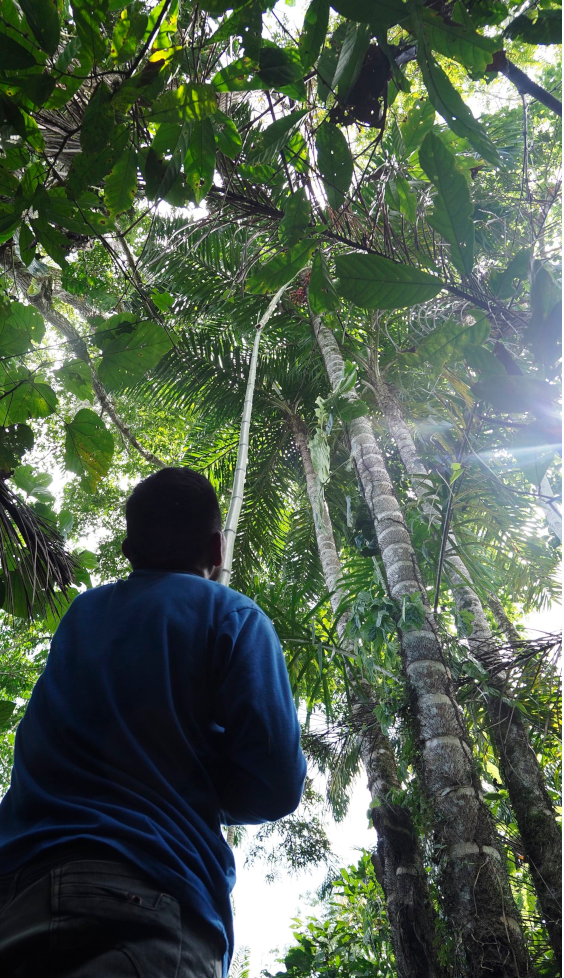
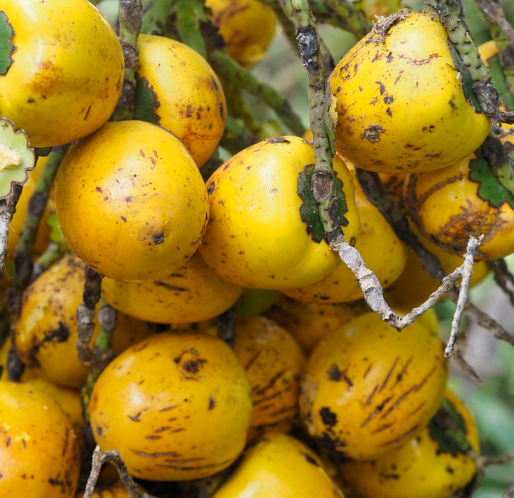
PeachPalm4LIFE is a transdisciplinary research project focused on the peach palm, Bactris gasipaes var. gasipaes — the only truly domesticated palm of the Amazon and a cornerstone of Indigenous agroforestry systems. Despite its cultural, nutritional, and economic importance, peach palm cultivation is increasingly being abandoned, and its remarkable diversity remains poorly understood and undervalued.
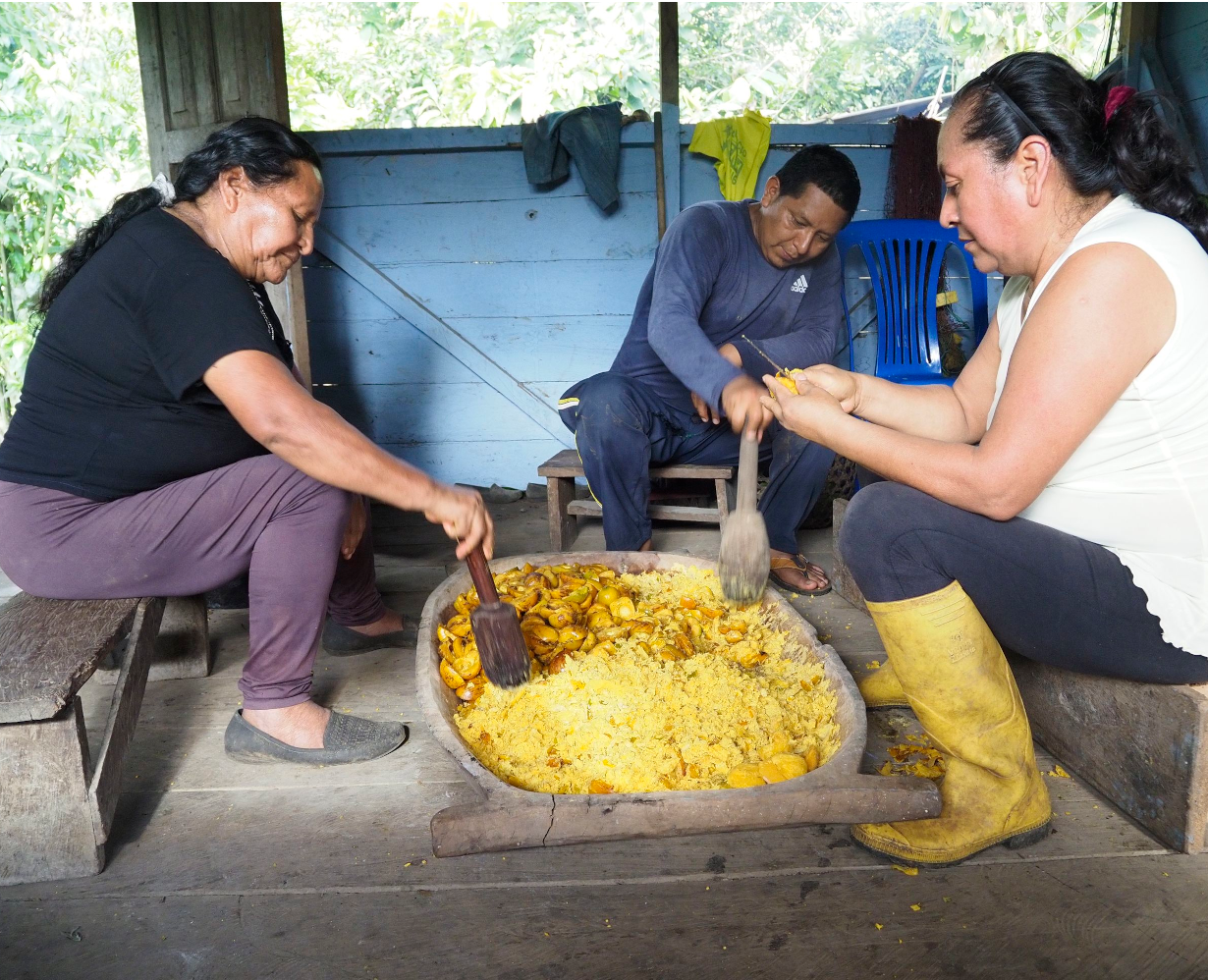
The project integrates Indigenous knowledge, agroecological practices, and genomic science to unlock the full potential of peach palm for sustainable development in the Upper Amazon — contributing to food security, biodiversity conservation, and climate resilience, while upholding the cultural values and governance of Indigenous peoples.
Objectives
PeachPalm4LIFE has four specific objectives:
- Implement transdisciplinary approaches to co-produce knowledge about peach palm agroecological systems with Indigenous peoples.
- Unravel the genetic, environmental, and cultural drivers shaping peach palm diversity in the Upper Amazon.
- Understand how Indigenous knowledge, governance, and value chains sustain this diversity given the species' ecological constraints.
- Co-develop innovative solutions — technical, social, and policy-driven — to support the sustainability of peach palm in local food systems.
Work Packages
WP0 · Coordination
Coordination, communication, and open science across all partners and WPs.
WP1 · Co-construction
Participatory workshops with three Ecuadorian Indigenous nationalities (Kichwa, Sápara, Shuar) to co-identify challenges and co-design sustainability indicators.
WP2 · Biocultural Diversity
Regional survey (60 communities, Upper Amazon) integrating cultural, phenotypic, and genomic data to map drivers of peach palm diversity.
WP3 · Fruit Diversity
Local-scale study in Ecuador on the genetic basis of fruit color, pollination ecology, and Indigenous knowledge systems sustaining fruit diversity.
WP4 · Innovation
Co-development of technical innovations (FabLab), policy briefs, educational materials, and Theatre Forum engagements with communities and the public.
Geographic Scope
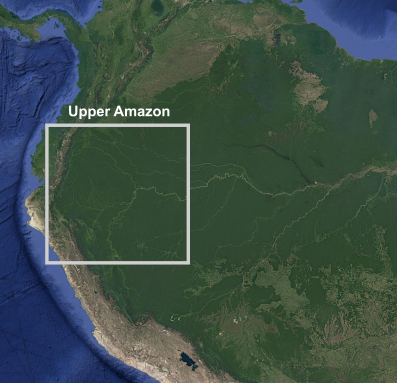
The project operates at two scales: a local scale in Ecuador (WP1, WP3, WP4) working with three Indigenous nationalities, and a sub-regional scale across the Upper Amazon — southern Colombia, Ecuador, and northern Peru (WP2).
Partners
- IRD-DIADE (France)
- IRD-IMBE (France)
- INRAE-SADAPT (France)
- PUCE (Ecuador)
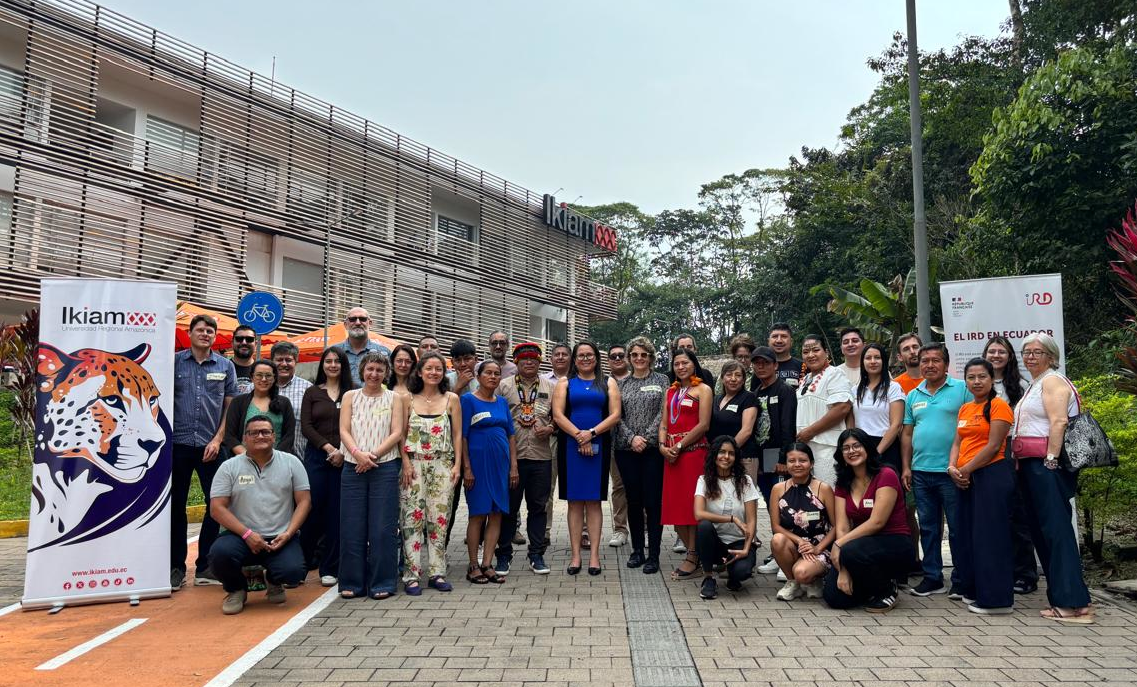
- IKIAM (Ecuador)
- IRD Ecuador
- Communidad Jandiyacu - Nationalidad Sapara (Ecuador)
- Communidad Shakaim - Nationalidad Shuar (Ecuador)
- Communidad AMAKIN - Nationalidad Kichua (Ecuador)
- Communidad AMUPAKIN - Nationalidad Kichua (Ecuador)
- Naturaleza y Cultura Internacional / NGO (Ecuador)
- CGA-AEDSP (Ecuador)
- SINCHI (Colombia)
- IIAP (Peru)
- INIA (Peru)
Publications from PeachPalm4LIFE
Publications will appear here as the project progresses.